Table of Contents
ToggleI. PREAMBLE
The prime concern of the Council is to develop patterns of teaching in undergraduate
and postgraduate prosthetics and orthotics education so as to demonstrate a high
standard of prosthetics and orthotics education to all colleges / institutions in India.
This educational experience is imparted in an atmosphere of research. Prosthetics
and Orthotics is a specialized health care profession, which combines a unique
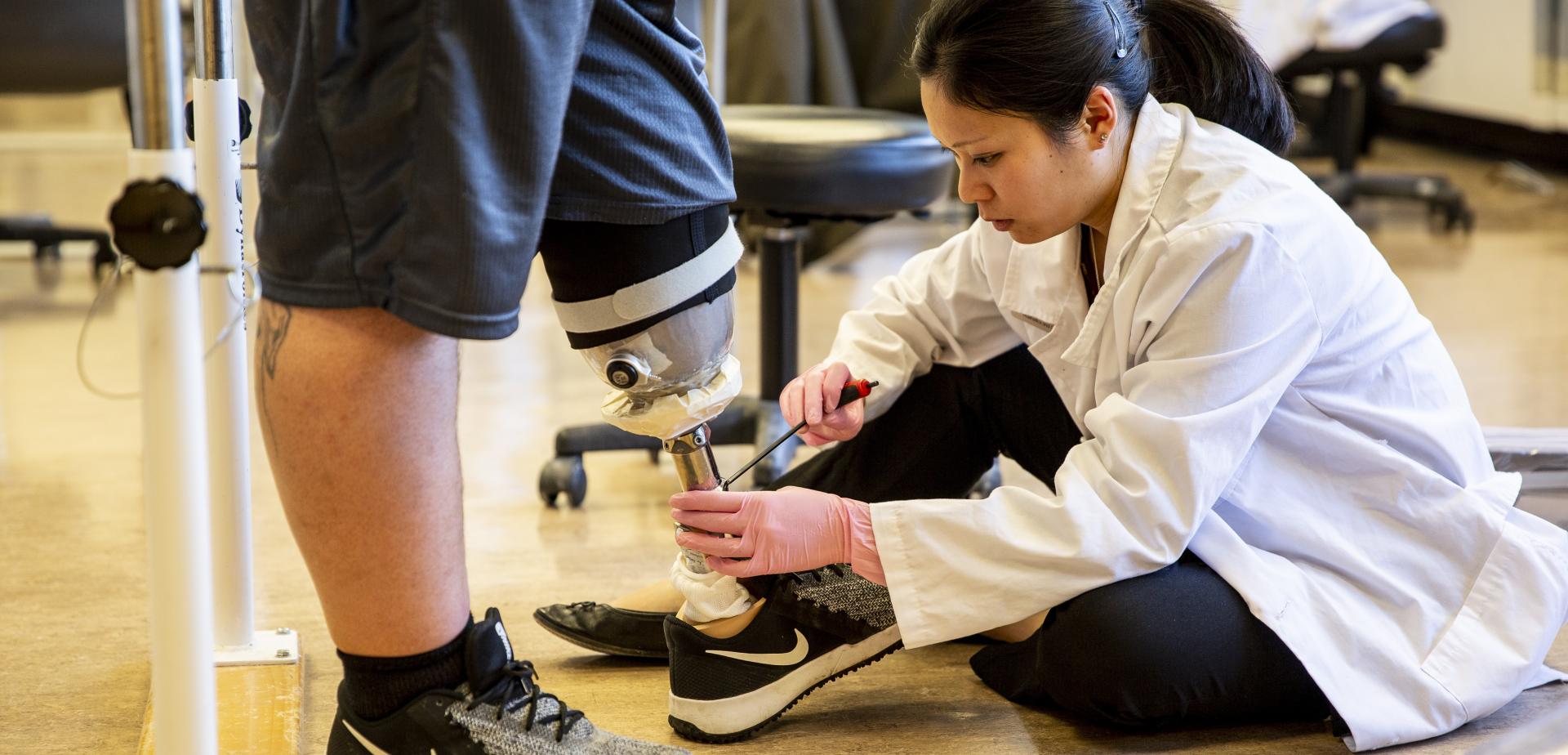
blend of clinical and technical skills. The Prosthetics and Orthotics Professionals
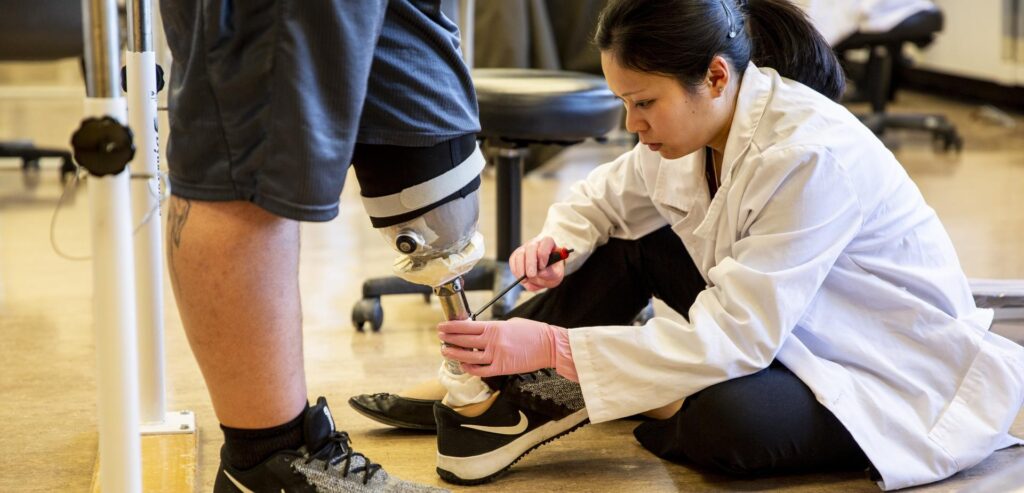
assess and evaluate patients, prescribe, custom design, fabricate, and fit the
orthoses and prostheses. Rehabilitation of persons with locomotor disabilities or
neuromuscular disorder is a team work, where Centre of attention is the person with
disabilities. This work requires substantial clinical and technical judgment.
Prosthetics and Orthotics Professional does not only provide service to persons with
neuromusculoskeletal disorder and persons with disability, but also it provides
service to general health and work related disorder such as foot disorders, fracture,
sports injuries, disorders due to aging, tendinitis, muscular pain etc.. Prosthetics and
Orthotics Professionals play an important role in the comprehensive post surgical
management of amputee and other neuromusculoskeletal disorders. Prosthetics and
Orthotics Professionals make the patient independent, confident and useful member
of the society through comprehensive prosthetic and orthotic management.
II. OBJECTIVES
- Patient Care
At the end of the MPO Course, the candidates shall be able to
(1) Assess, prescribe and provide comprehensive prosthetic and orthotic
management to the individual and the community appropriate to his/her position
as a member of the health care team.
(2) Be competent to take preventive, supportive, corrective and rehabilitative steps
in respect to the commonly encountered problems related to prosthetics and
orthotics.
(3) To carry out Evidence Based Practice in prosthetics and orthotics
(4) Appreciate the psycho-social, cultural, economic, and environmental factors
affecting health, and develop humane attitude towards the patients/relatives, in
discharging one’s professional responsibilities
(5) Be familiar with the various National policies and Acts related to Persons with
Disabilities.
(6) Acquire basic management & administrative skills in the areas of materials,
financial and human resources related to prosthetics and orthotics - (7) Develop the communication skills to establish effective communication withthe stake holders
- (8) Practice prosthetics & orthotics ethics in patient care, service delivery, and
- research.
- (9) Develop attitude for self-learning and acquire necessary skills including the
- use of appropriate technologies.
- Research
The candidate should be able to
(a) Recognize a research problem.
(b) State the objectives in terms of what is expected to be achieved in the end.
(c) Plan a rational approach with full awareness of the statistical validity.
(d) Spell out the methodology and carry out most of the technical procedures
required for the study.
(e) Accurately and objectively record on systematic lines the results and
observations made.
(f) Analyze the data using appropriate statistical approach.
(g) Interpret the observations in the light of existing knowledge and highlight in what
ways the study has advanced existing knowledge on the subject and what remains
to be done.
(h) Draw conclusions which should be reached by logical deduction and he / she
should be able to assess evidence both as to its reliability and its relevance.
(i) Write a thesis in accordance with the prescribed instructions.
(j) Be familiar with the ethical aspects of research.